Define the test purpose
List the features that need to represent the eventual product and any features that may be simplified. If the sample will be used for a functional test, communicate the relevant operating conditions and the acceptance criteria set by the design team.
Control changes between iterations
Give the model and drawing a clear revision. When requesting a second version, identify changed dimensions, materials or finishes rather than sending an unlabelled replacement file. Confirm which revision the quotation and order apply to.
Choose a representative process
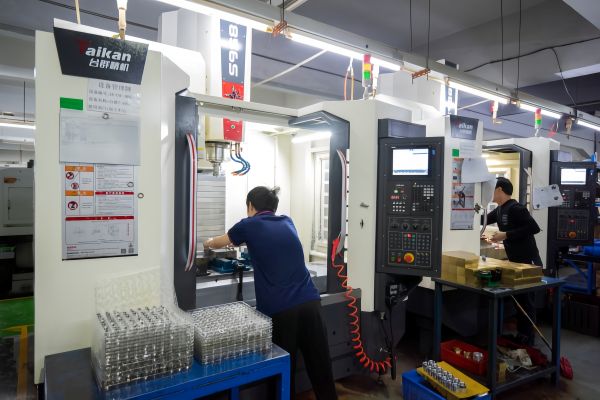
CNC machining may be a suitable route for a prototype cut from stock. It should not be described as automatically identical to a cast, moulded or additively produced final part. Differences in material form and process need to be considered when interpreting test results.
Prepare for the next stage
State the initial sample quantity and expected follow-on demand separately. Prototype inspection and documentation should support the development decision. Production release may require additional validation, supplier documents or an agreed first-article process.
Project questions
Can the prototype prove the production design?
A prototype can support specified tests, but it is not a universal validation of the final design or a different production process.
Can a delivery date be promised before review?
A committed date requires a review of the files, material, finishing, inspection and current schedule. The enquiry should include the requested date rather than assume a generic lead time.