
Composition and application
State the specified brass grade and any restrictions relevant to the intended use. Do not infer a lead-free or regulated-use claim from the word brass. Required material declarations and supporting documents should be identified before quotation.
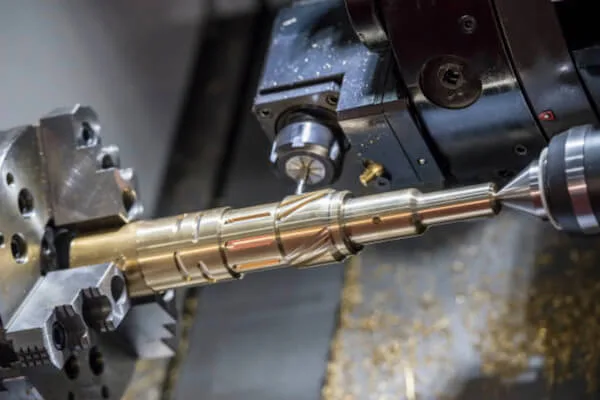
Turned and milled features
Include contact diameters, bores, thread definitions and any flats or slots in the drawing. Explain how the part mates with adjacent components. A sample photograph alone cannot establish the tolerances of these interfaces.
Plating and final fit
Specify the coating system, required coverage and areas to mask. Clarify which dimensions apply to the finished part. The material and plating requirements should be assessed together, particularly for electrical contact components.
Batch acceptance
State the quantity, cosmetic requirements and inspection documents needed with the order. If a comparison sample is used, identify its approved revision and what it represents rather than treating all visible characteristics as implied specifications.
Project questions
What should an RFQ for a brass connector component include?
Identify the exact brass grade, any composition restrictions, mating geometry and functional contact surfaces. Provide the drawing revision and the electrical or mechanical acceptance requirements owned by the product design; a part photo cannot establish the contact specification.
How should plating be specified for brass parts?
Show the coating specification and thickness where required, which surfaces need coverage, any areas to mask and which dimensions apply after plating. If a comparison sample governs appearance or fit, identify its approved revision rather than treating every visible property as a requirement.