
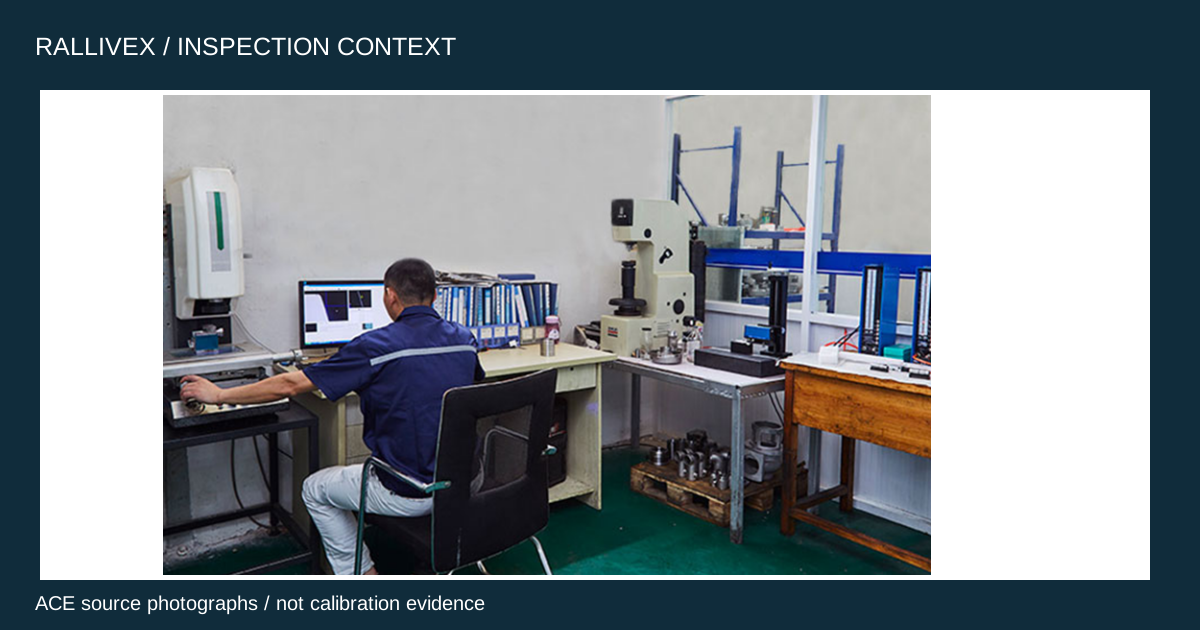
Start with the finished thread and the order profile
For a repeat job with many identical internal threads, tapping may be the first route to price. For a mixed batch or a feature added late to a valuable part, compare thread milling as well. The choice depends on cycle time, compatible tools, access and the cost of losing a part if a tool fails.
A tap follows the prepared hole and produces the thread as it advances. A thread mill generates the thread with a programmed helical path. That gives the programmer a way to adjust the cut diameter within the tool’s application range, while requiring a machine and setup that can execute the path reliably.
Compare tool coverage and failure recovery
Ask the supplier to map each thread callout to a compatible tool. Some thread mills can cover several diameters, but pitch, profile and reachable depth still have to match the application. Multiple diameters alone do not establish that one cutter can cover the whole drawing.
Sandvik and Harvey both discuss the possibility of easier recovery from a broken thread mill. Evaluate what happens on the actual part. If the feature is already surrounded by finished faces, confirm whether a broken tool can be removed and whether the hole can still be accepted. The answer matters more when most of the part’s value has already been added.
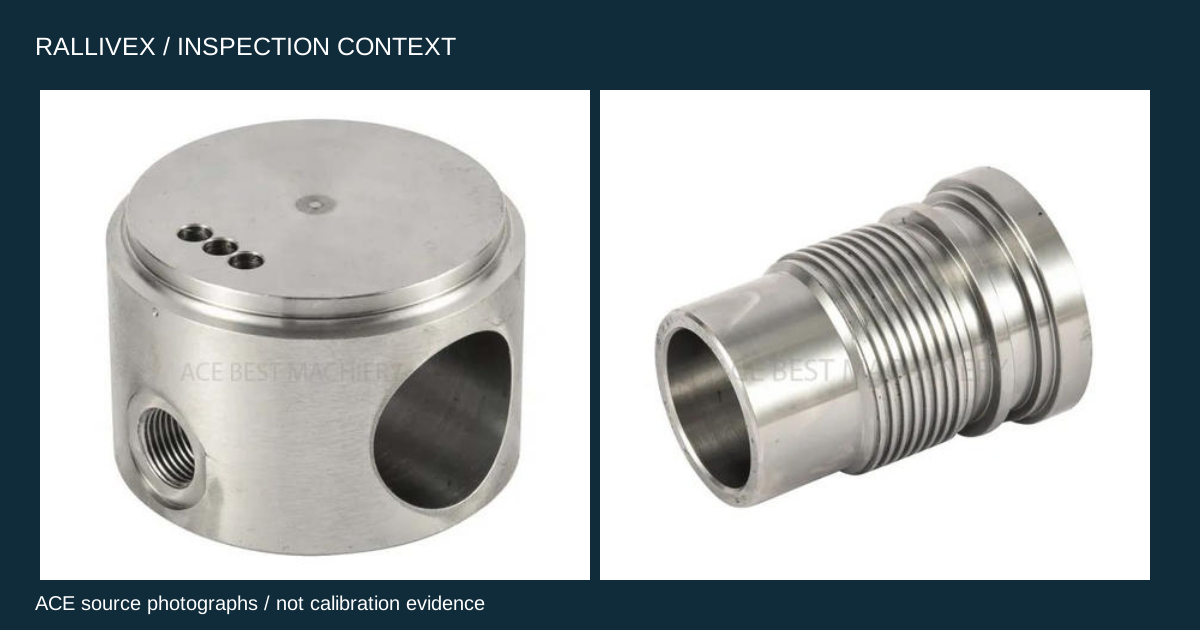
Compare two routes on the same quotation basis
Consider a hypothetical fixture plate with 24 identical through threads and a second prototype plate with a handful of different internal threads. On the repeat plate, even a small cycle-time difference repeats at every hole. On the prototype, the number of tools and the time to prove the setup may outweigh the difference in cutting time. A supplier can quote both routes against the same drawings and quantities, then show which assumptions drive the price.
Ask for cycle time per feature, tooling and setup assumptions, and the procedure for a failed thread check. For a blind thread, specify the minimum usable full thread and flag the available clearance below it. A quotation that assumes more depth than the assembly permits should be corrected before release.

Agree on the acceptance evidence before ordering
Specify the thread designation, class or tolerance, handedness where relevant, and whether final acceptance applies after coating. Confirm how the shop will verify the finished feature. If the drawing also controls axis location relative to a datum, agree on separate evidence for that requirement.
For the first piece, record the drawing revision, inspection state and disposition. Ask the supplier to flag any proposed process change that would alter the approved inspection plan. Request a CNC quote with the drawing, quantities and thread features that matter most to assembly.
Frequently asked questions
Should the drawing require one threading route?
State the finished requirements and identify a mandatory process if the design or contract requires one. Otherwise, ask the supplier to explain its proposed route and acceptance evidence.