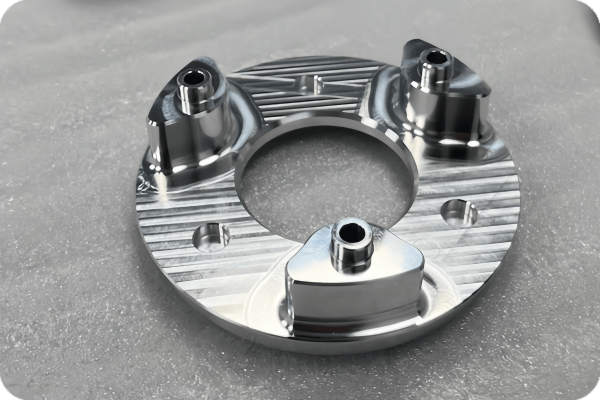
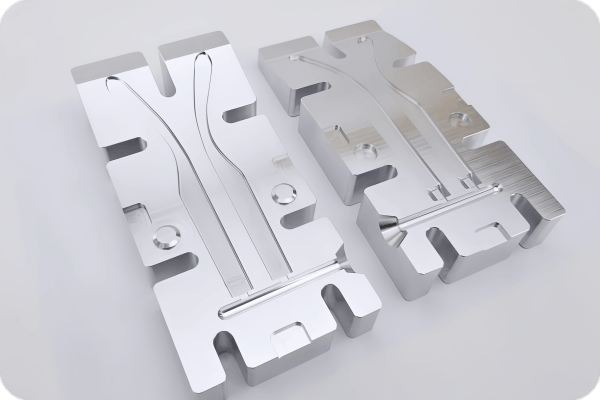
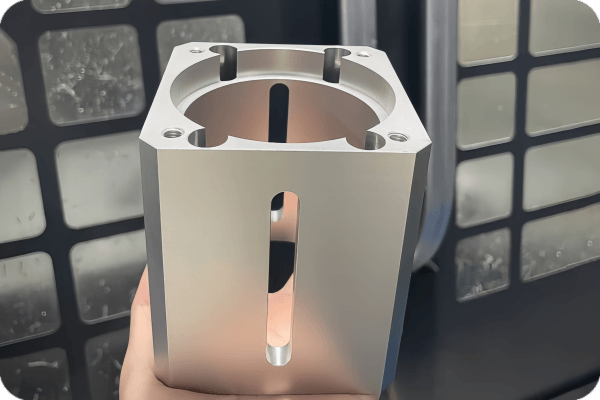
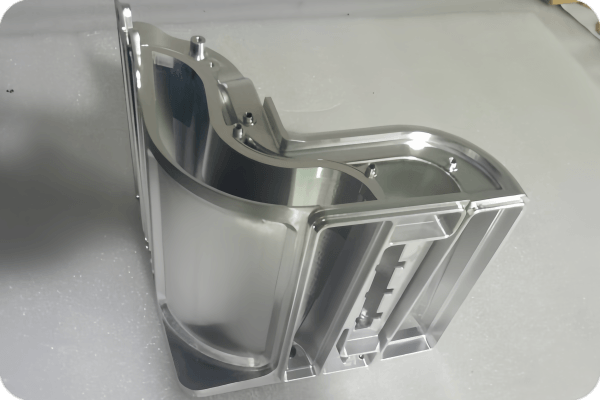
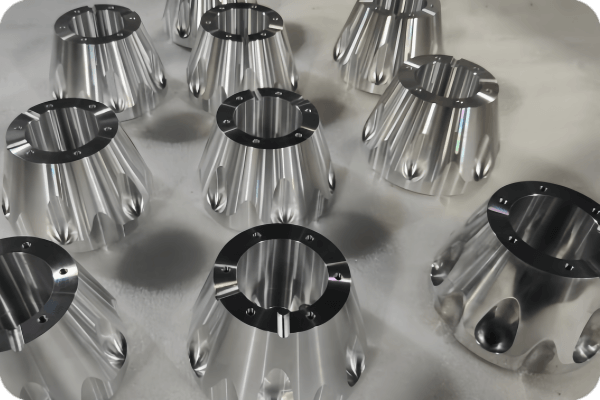
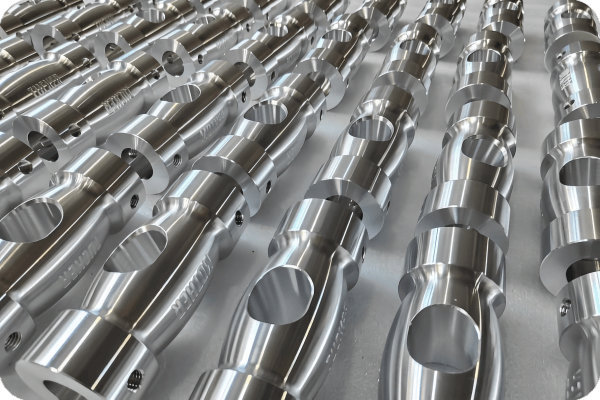
Enclosures, heat sinks and connector contacts each combine geometry with application requirements. Use the relevant page to prepare the drawing and acceptance conditions. These are custom manufacturing enquiries, not a catalogue of stocked products.
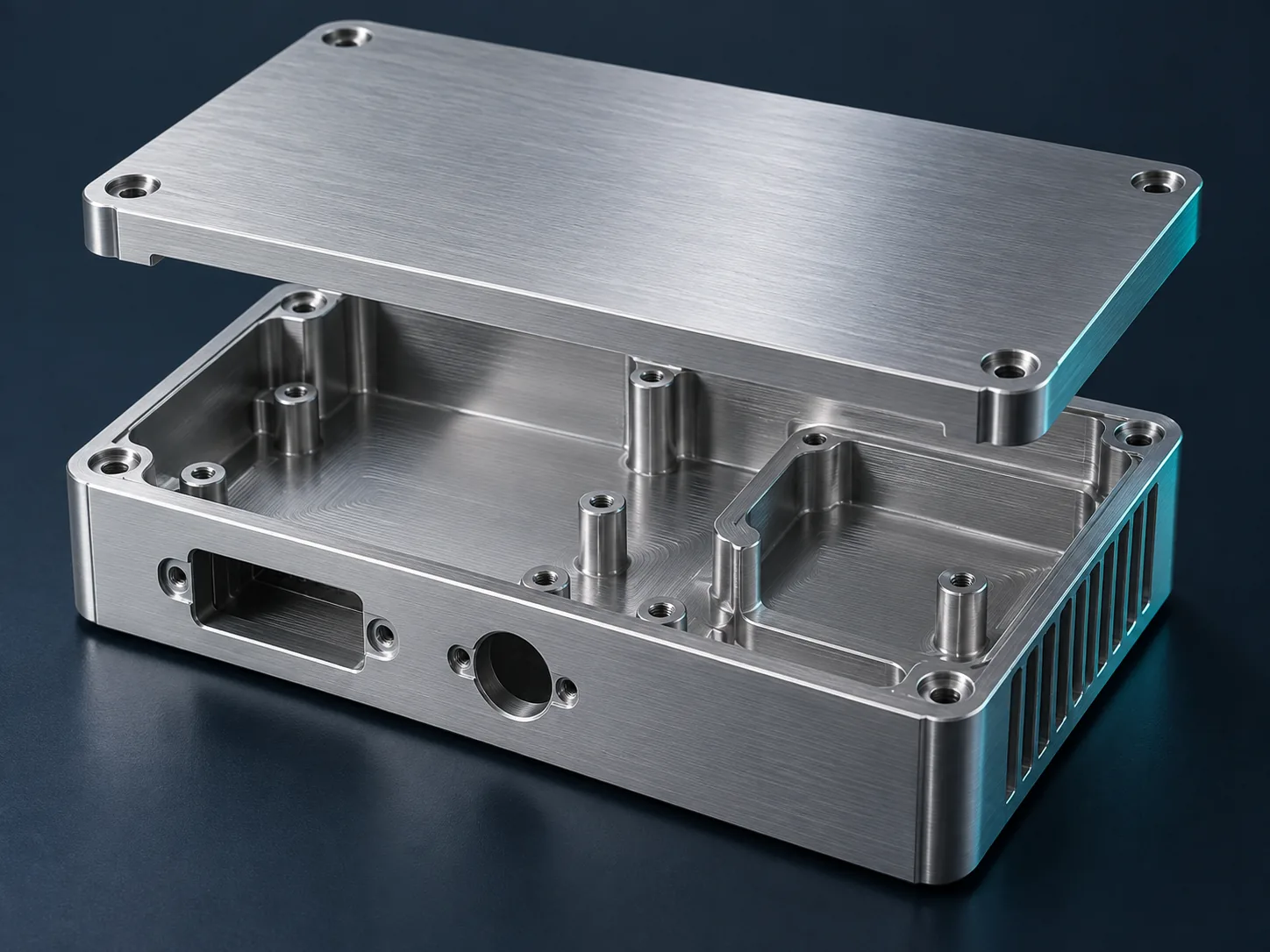
A custom enclosure is defined by its interfaces: the electronics or mechanism inside it, the mating cover, fasteners, external connectors and the surfaces used to install it. Share the assembly context along with the enclosure drawing.
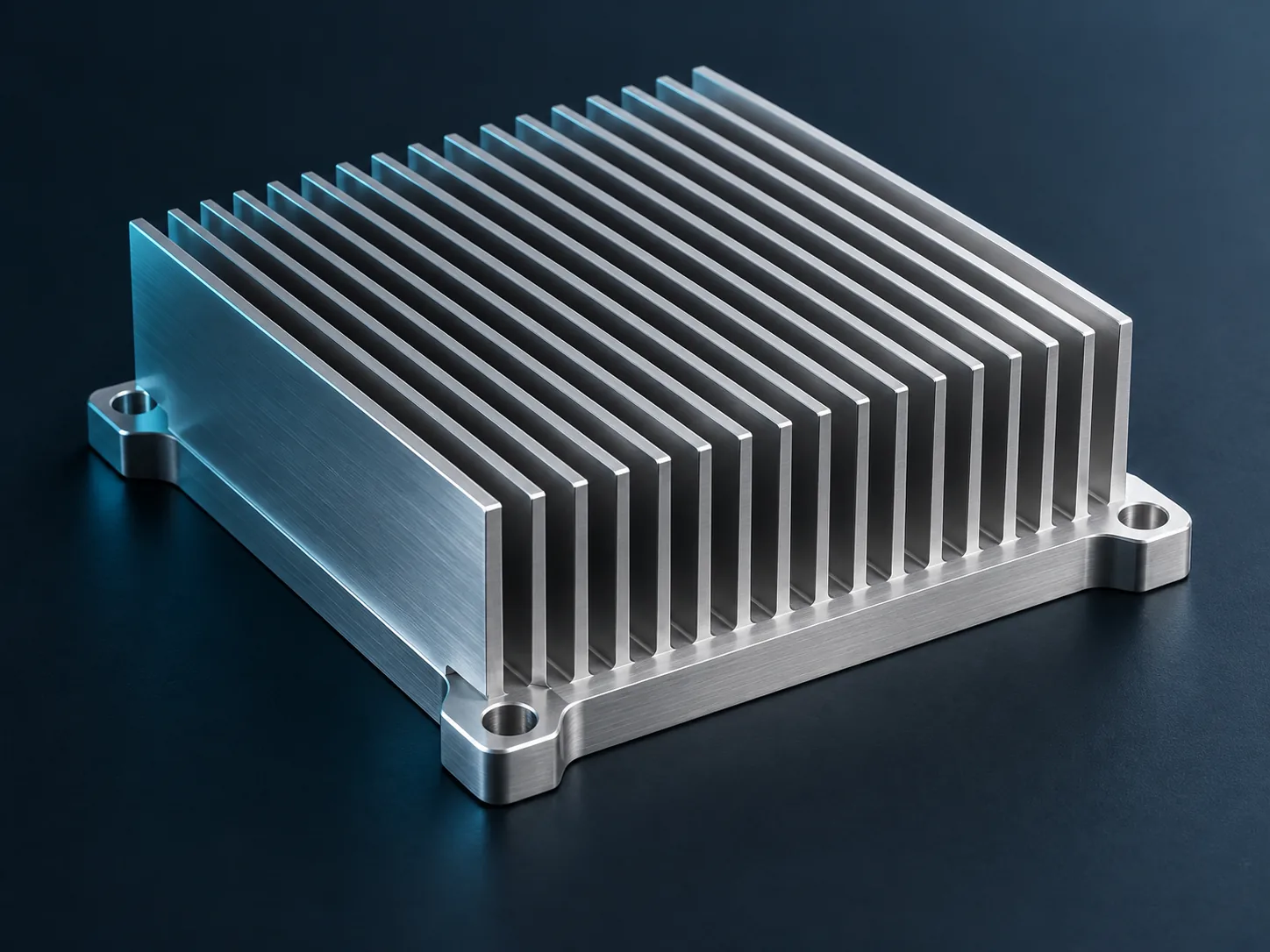
A heat-sink enquiry should connect the drawing to the thermal design: where heat enters the part, how the part mounts, and which surfaces or features are critical. Manufacturing the geometry does not by itself validate system cooling performance.
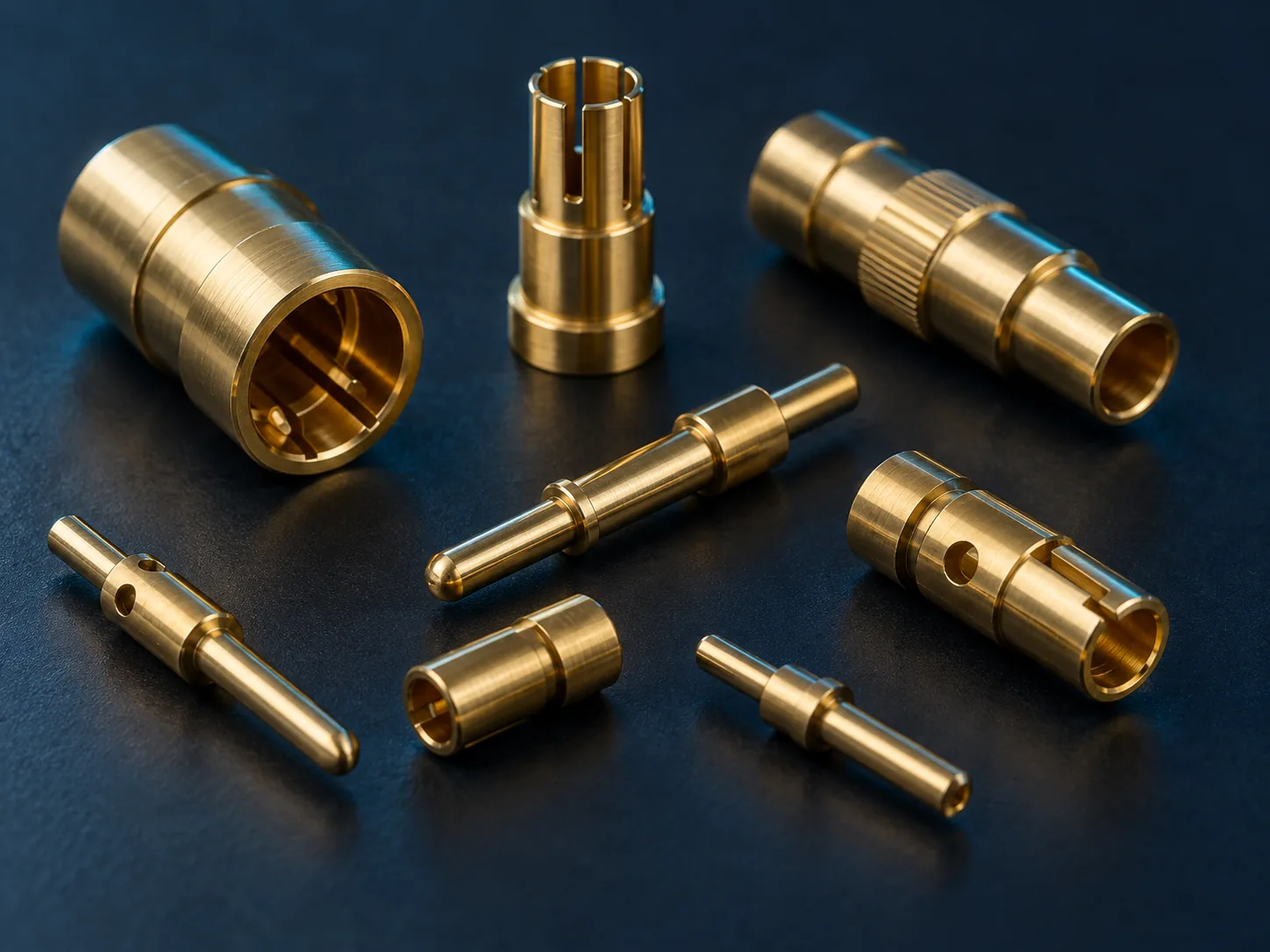
Connector contacts need a coordinated specification for base material, geometry and plating. Include the mating interface and assembly process so the finished contact can be reviewed as a functional component.
Images carried over from Rally Machining. Product photographs show example parts; specifications and project suitability are confirmed during quotation.
These part examples come from our former Rally websites. Each project is made to a drawing; material, dimensions, finish and inspection requirements are confirmed during quotation.
Connector contacts and pins
The former Rally sites show custom pins and contact components. For a new part, define the mating pair, base alloy, plating zones, retention method and qualification tests; a photograph cannot establish electrical performance.
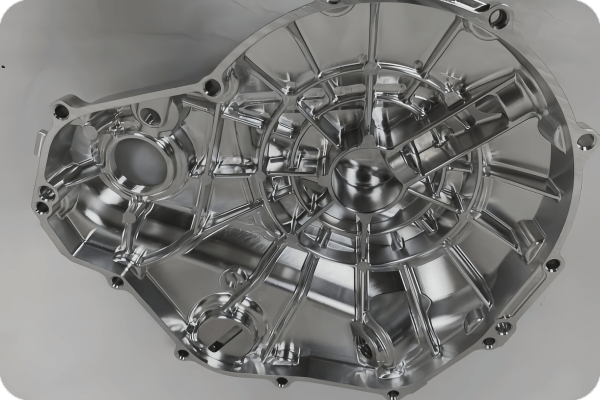
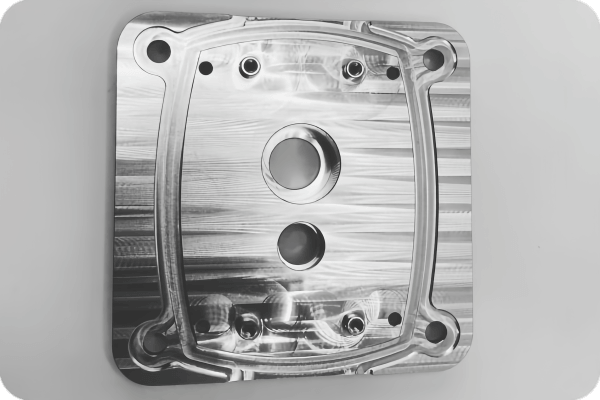
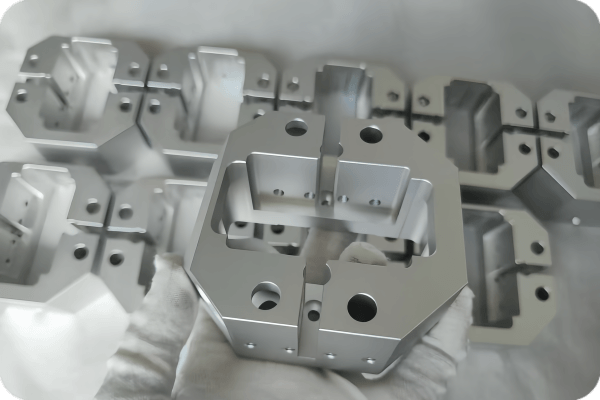
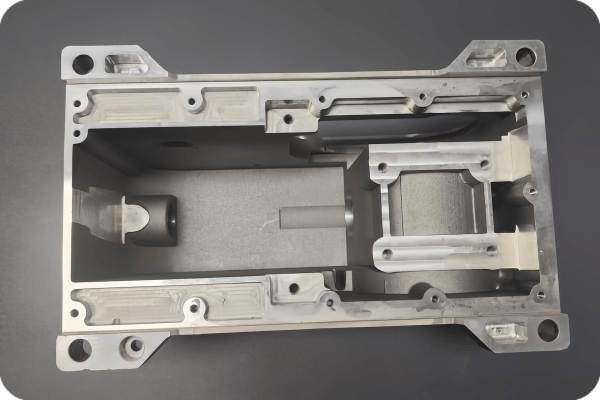
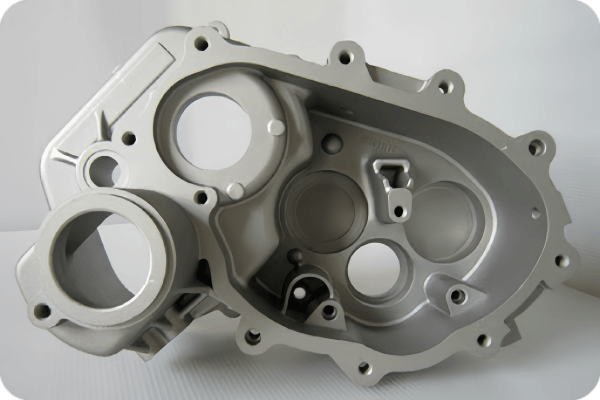
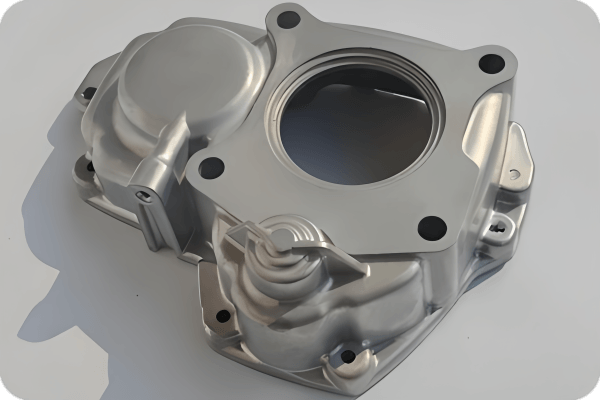
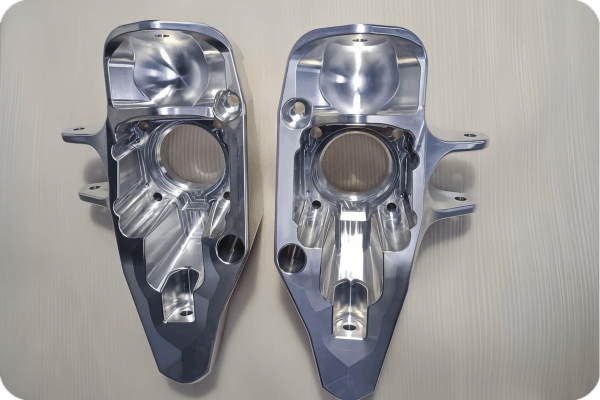
These examples cover machined and cast-style housings, covers and panels. New enclosure RFQs should identify board and connector interfaces, sealing or thermal features, visible surfaces and inspection after treatment.
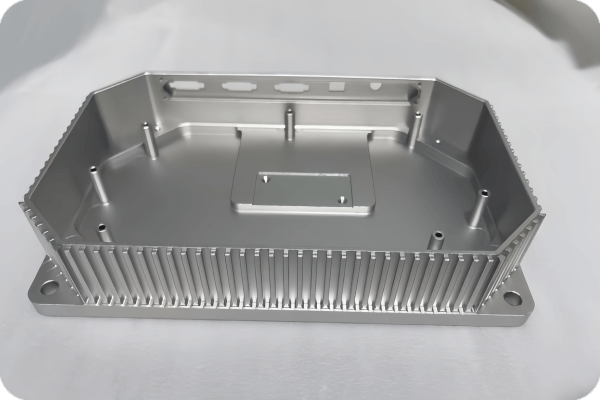
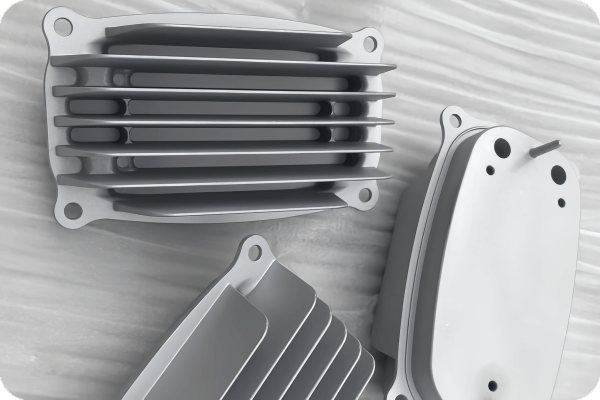
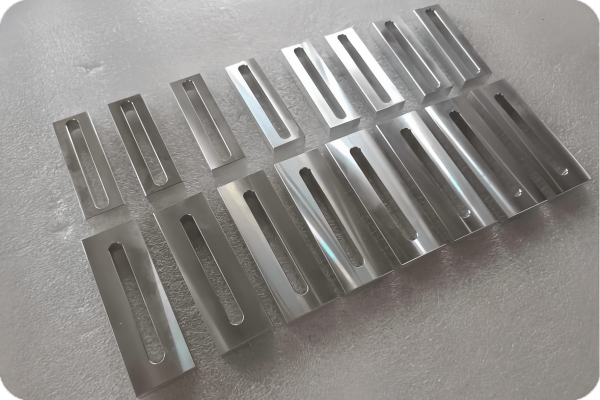
Thermal-part examples include finned housings and machined heat spreaders. Specify the contact face, mounting pattern, fin access and finish; system thermal performance requires separate design validation.
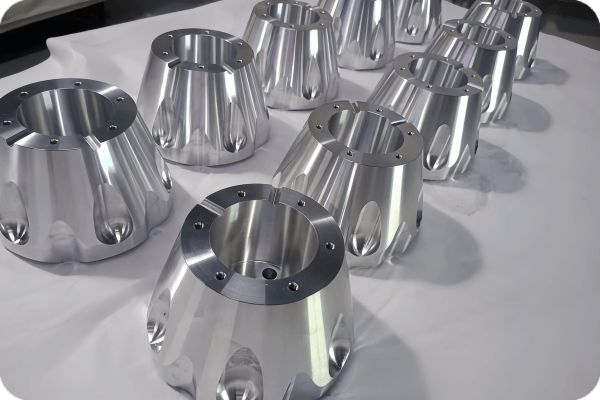
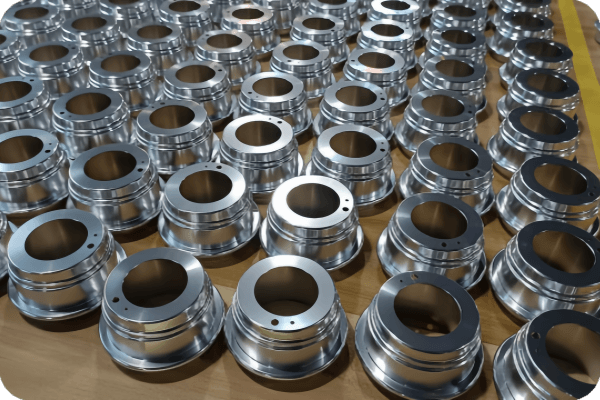
This group shows the range of prismatic and rotational geometries referenced by the former sites. The production route follows the released drawing, not the material or a product-name keyword alone.
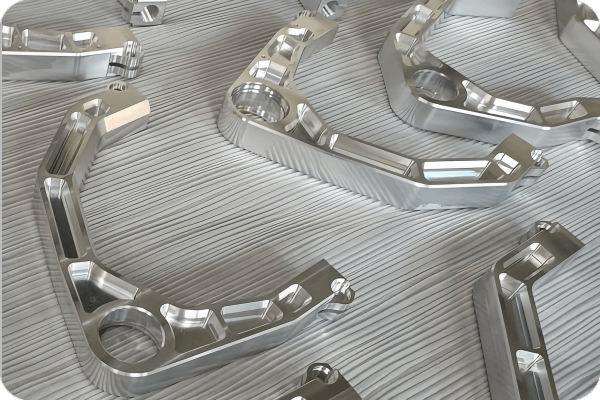
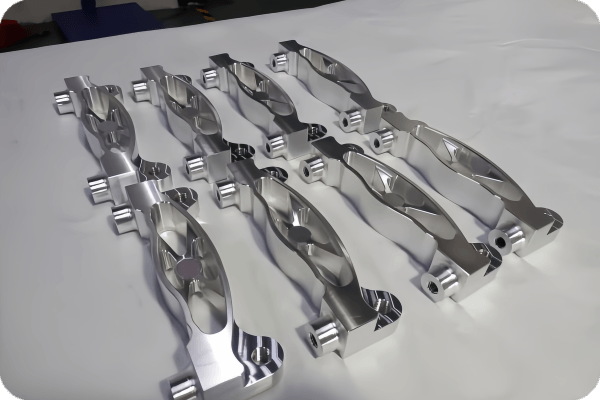
Bases, brackets, fasteners and other hardware need a clear definition of loaded faces, assembly datums, threads, material condition and edge requirements. Compare quotations for the same finished part.
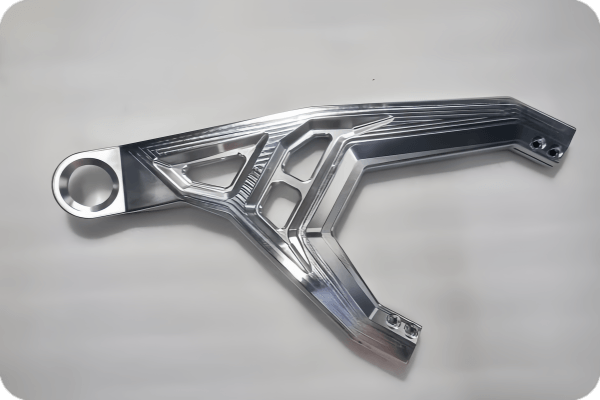
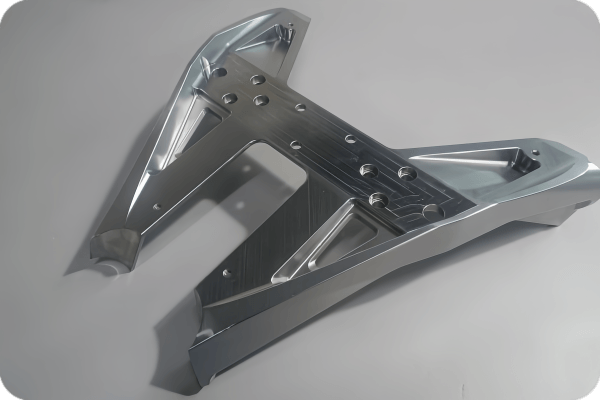
Structural examples from the legacy galleries are visual references, not application approvals. Identify loads, mating interfaces, material specification, traceability and any customer-controlled acceptance plan for a new order.
Machined polymer parts are useful when geometry or volume makes tooling unnecessary. Name the exact resin grade, filler and service conditions, and agree how flexible features will be measured.
Legacy pages include waveguide-related metal components. A new enquiry should include the mating standard, internal geometry, surface treatment and the RF validation owned by the system designer.
Enclosures, heat sinks and connector contacts each combine geometry with application requirements. Use the relevant page to prepare the drawing and acceptance conditions. These are custom manufacturing enquiries, not a catalogue of stocked products.
Project planning
Use examples to define a custom part
The photographs show part categories from the former Rally sites; every new enquiry is reviewed against its own drawing.
01
Select an example
Find the closest enclosure, thermal component or mechanical part to communicate the general shape, not to assume identical dimensions or stock availability.
02
Provide your revision
Upload your own model and drawing with material, quantity, finish and the interfaces that control assembly or performance.
03
Confirm suitability
Ask for project-specific manufacturing, inspection and delivery scope. Example imagery does not certify a tolerance, alloy or treatment for a new order.