
Start from the released part definition
Supply the current 3D model and 2D drawing, material specification, annual and initial volumes, and functional dimensions. Where the process involves shrinkage, draft, parting lines, gating or ejector locations, identify surfaces that are critical to appearance, assembly or sealing. Tool design assumptions must be reviewed with the chosen process and material.
Separate the tool from the produced part
Clarify whether the enquiry covers mold design, tool fabrication, trial samples, production parts, machining after molding or casting, and finishing. A quoted tool price does not by itself describe the cost, lead time or acceptance basis of the parts it will make. Record tool ownership, storage and maintenance terms before ordering.
Define trial and change control
Agree how trial samples will be measured and what design revision they represent. Record the number of trial cycles included, the process for correcting a tool, and which party approves part or tool changes. When an assembly fit is important, provide the mating parts or agreed test conditions.
Plan production evidence
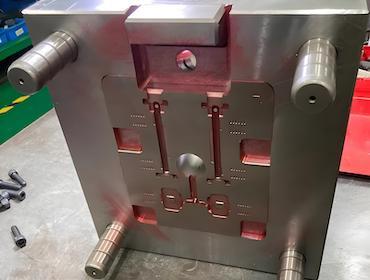
Identify any material, dimensional, appearance or process records required for initial approval and repeat deliveries. A photograph of a mold is an example of tooling, not evidence that every size, cavity count or process is available. Feasibility and production responsibility are confirmed during the project quotation.
Project questions
Is a finished-part drawing enough to quote tooling?
It is the starting point. Process, material, quantity, expected tool life, trial criteria and ownership terms should also be discussed before a firm scope is agreed.
Does this page promise a particular mold size or tool life?
No. Those conditions depend on the part, process and agreed tool design and must be specified for the project.