
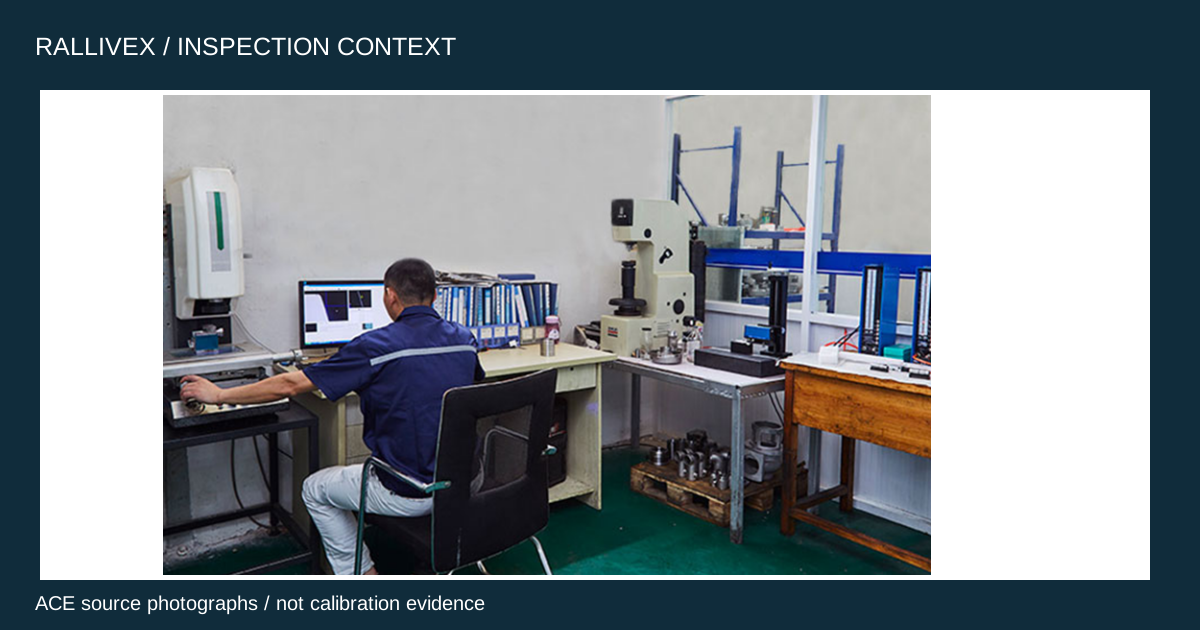
Explain how the cutoff face is used
The face where a turned part is separated from bar stock may later seat against a shoulder, contact a seal or remain free in the assembly. Tell the supplier what that face does. A non-contact end may need only the agreed edge condition, while a functional face may need additional machining and inspection. A general note to deburr does not define the flatness, finish or contact area needed for seating.
Identify the end conditions that matter
Mark the cutoff end on the drawing, especially when the two ends look similar. State the finished length and whether it is measured across the full faces or between defined contact areas. Flag a through-bore at the cutoff end, where a raised internal edge might interfere with a shaft or damage a mating surface. If a small central projection is permissible, define the permitted region and height rather than relying on a verbal description.
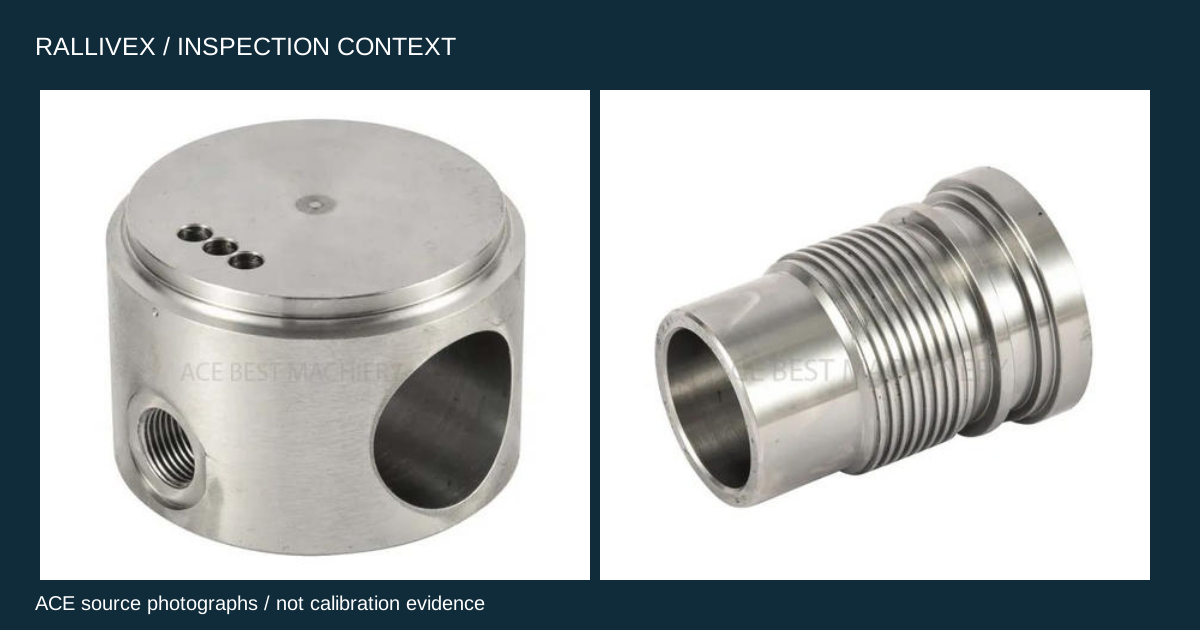
Compare direct cutoff with a second facing operation
Toolmaker guidance discusses how tool setup and parting geometry affect a remaining central projection and burrs. Review the proposed route against the actual end-face requirements. A secondary facing operation can be quoted when the separated face requires a controlled surface. Ask how the part will be held and how the second setup relates that face to the rest of the component. Additional handling can affect both cost and the risk of marking finished surfaces.

Apply the distinction to a spacer order
Consider two hypothetical spacers with the same nominal length. The first is cleared by a recess in the assembly and the cutoff face does not carry load. The second seats against a flat washer around a through-hole. On the second part, a burr at the bore edge can obstruct seating even when the outside length is acceptable. Show the bearing area and check the edge in the finished condition. Ask the supplier to record the sample result before batch release.
Send the face requirements with the drawing
Provide the assembly contact area, end-to-end length, any edge break or edge restriction, surface requirement, quantity and whether handling marks are allowed. Ask that the quote state the proposed end-finishing route and inspection evidence. Request a CNC quote with the drawing and a short description of the mating interface.
Before approving the sample, agree which readings are mandatory on the report and which are recorded for process monitoring. If inspection reveals interference during assembly, retain the original observations and identify the precise contact surface before authorizing rework.