RALLIVEX PrecisionQuoteSend Enquiry / Request a Quote

Start with the interfaces inside and out.

A custom enclosure is defined by its interfaces: the electronics or mechanism inside it, the mating cover, fasteners, external connectors and the surfaces used to install it. Share the assembly context along with the enclosure drawing.

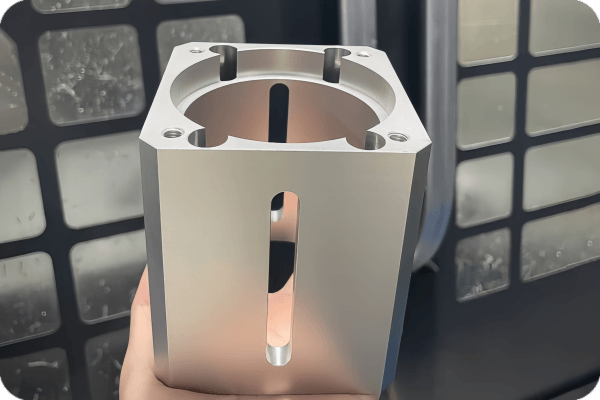
Machined aluminum enclosure component
Machined aluminum enclosure component · former Rally Machining website
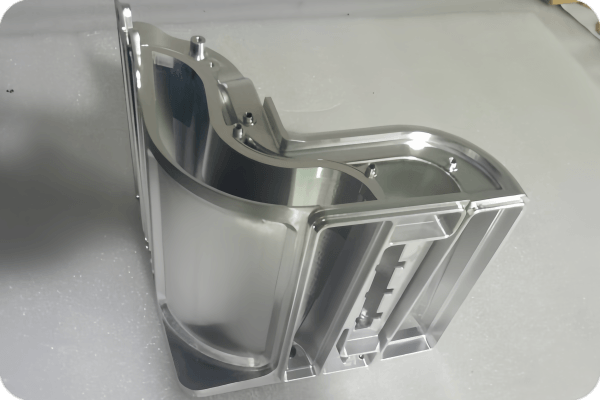
Machined aluminum frame
Machined aluminum frame · former Rally Machining website
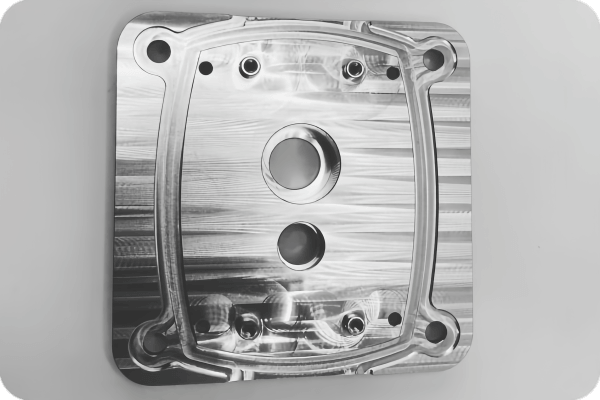
Machined aluminum housing
Machined aluminum housing · former Rally Machining website
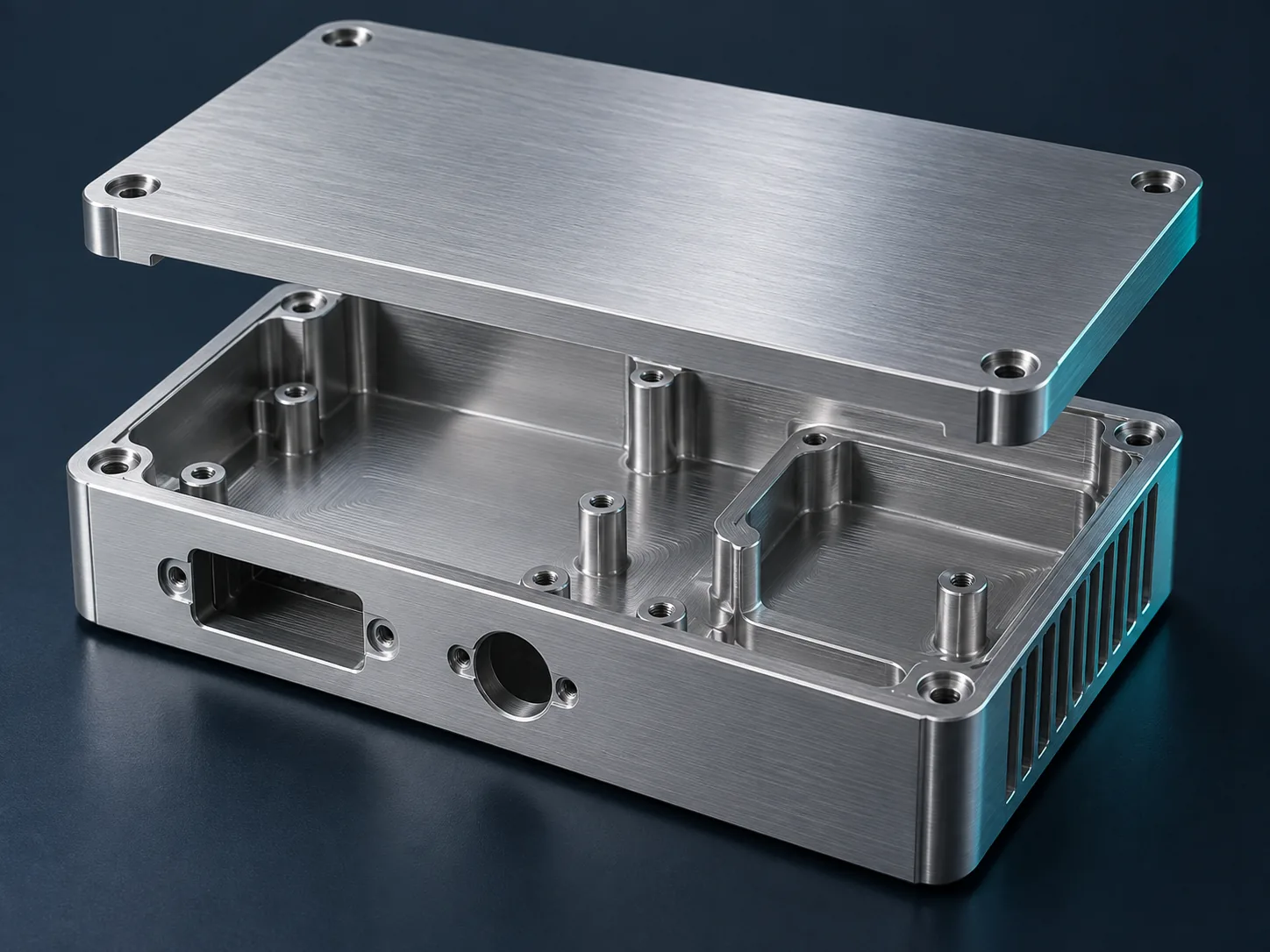
Illustrative CNC-machined aluminum enclosure concept
Illustrative part concept

Internal layout and access

Identify PCB mounting points, connector openings, fastening features and clearance envelopes. Describe which dimensions locate other parts and which are cosmetic. Include the cover or mating geometry where it is needed to interpret fit.

Wall, pocket and mounting features

Review deep pockets, narrow ribs, thin walls and tool access as part of the geometry. Manufacturing changes must respect the functional design. Avoid replacing a project review with one universal wall thickness or pocket-depth recommendation.

Finish, contact and sealing

Mark appearance-critical faces and areas that must remain conductive or untreated. Where a seal is required, provide the gasket design and acceptance requirements. A machined housing alone does not establish an ingress-protection rating or an electromagnetic-compliance result for the assembled product.

Prototype and release information

Include the assembly revision, quantity, finish and requested inspection documents. Explain whether the order is an assembly-fit sample or a released production component. Provide approval criteria before treating a sample as the reference for future batches.

Project questions

Can a housing be described as IP65 or IP67 from its geometry?

No. Product-level sealing performance needs a defined assembled configuration and appropriate validation. The old-site blanket IP promises are not carried into this page.

What is needed for a useful enclosure quote?

Include the model and drawing, mating information, material and finish requirements, quantity, critical interfaces and the desired inspection scope.

Details to include in your RFQ

Project preparation checklist — not a capability specification
TopicInformation to prepare
InterfacesMounting points and connector cut-outs
AssemblyCovers, fastening method and mating parts
SurfaceCosmetic faces and masked areas

On narrow screens, scroll the table horizontally.

Project planning

Build an enclosure around its interfaces

A housing quote should connect the mechanical design to assembly, sealing, thermal and appearance requirements.

01

Assembly definition

Supply the mating PCB, connectors, fasteners and cover interfaces in the drawing package. Mark datum features and any inaccessible assembly dimensions.

02

Ingress and appearance

Identify gasket lands, openings, cosmetic faces and treatment areas. If an ingress rating is required, it belongs to the validated assembly, not automatically to a machined housing.

03

Inspection scope

List the features that must be checked after finishing, plus any required inspection report. Confirm whether the sample and repeat batches use the same acceptance plan.

Project enquiry

Discuss your manufacturing project

Describe your requirements. Attach a drawing if available.

Send a project enquiry or request a quote

Describe your project or quality question below. Drawings are optional; if you have them, accepted formats are STEP, STP, IGES, DXF, DWG, PDF and ZIP. Your request is received only after a confirmation reference appears. For questions, email sales@rallivex.com or contact us on WhatsApp: +86 137 3607 8178.

You can submit without a drawing. If attaching files: STEP, STP, IGES, DXF, DWG, PDF or ZIP; up to 10 files, 20 MB each and 25 MB total. Files are sent only when you submit.