
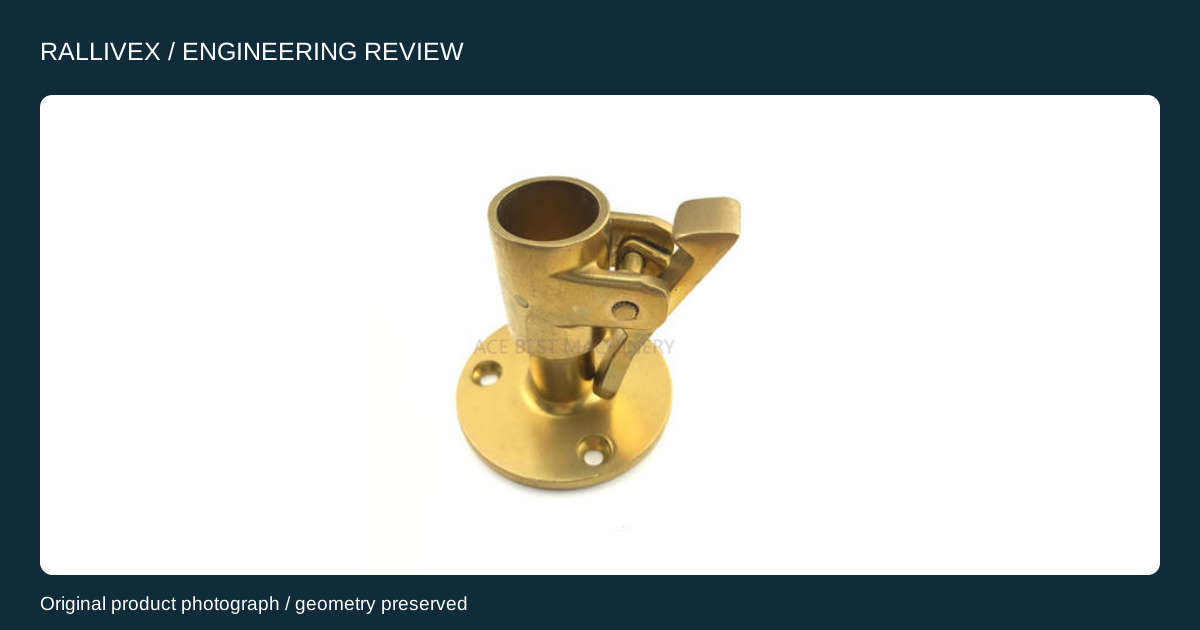
1. Keep the blank and finished part distinct
A forging drawing and a finished machined-part drawing describe different states of the same component. A purchasing package should make that relationship explicit. Identify which features remain as forged, which will be machined and which drawing governs each acceptance decision. Do not apply a finished mating-surface requirement to every unfinished surface by default.
The Forging Industry Association explains that forgings can be followed by finish machining and other operations. Its Product Design Guide also stresses complete drawings and advance agreement of tolerances. Use those principles to define the handoff, without importing a generic allowance or strength claim into your specification.
2. Identify the first locating operation
The FIA Product Design Guide asks purchasers to identify first-operation locating points and to provide the finished-part drawing or equivalent information. This matters because the machining plan must establish a usable reference from the incoming blank before creating the finished interfaces.
Ask the manufacturing team to mark the proposed locating surfaces and explain how they relate to the finished drawing. The ACE forging-category photos show product examples rather than a sequence from raw blank to finished part. They do not prove which surface was located first or how much stock was present.
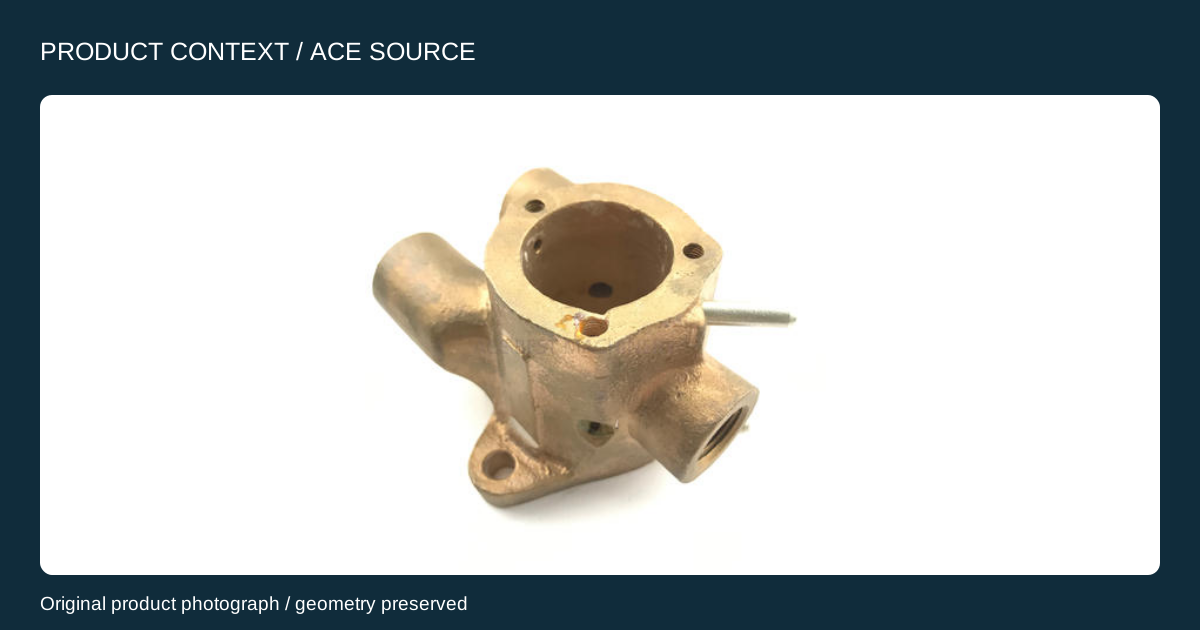
3. Review stock and variation separately
Stock reserved for machining and permitted variation of the blank answer different questions. Request a clear definition of both for the features that feed the first operation. A nominal stock value alone does not explain how the accepted blank envelope is positioned relative to the final geometry.
For a hypothetical forged hub, mark the future bore and faces in a section of the blank. Ask which incoming dimensions protect the ability to finish those surfaces. Do not change the blank or finished revision independently; a change that looks small on one drawing may alter the assumptions used by the other operation.
4. Assign evidence to each handoff
Agree the material and delivery condition required at receipt, together with the documents that demonstrate it. State who verifies the incoming blank and who releases the machined component. If an additional treatment is part of the route, identify its place in the agreed process and the condition in which final dimensions apply.
Keep the blank revision, finished revision and batch identity connected in the production record. When a deviation is proposed, require the effect on downstream machining and inspection to be reviewed before acceptance. The three-step map below is a document handoff, not a prescribed forging or heat-treatment process.

5. Request a complete route quotation
Send RALLIVEX the finished drawing and the available blank definition, expected quantity, material specification and critical interfaces. Explain whether you need the complete component or machining of customer-supplied blanks. If the blank specification is unfinished, identify the open questions instead of silently assuming it matches the finished part.
Ask the quotation to separate incoming requirements, machining scope and final evidence. Request confirmation of any proposed locating or stock assumptions. Use the CNC machining and quality pages below for the next discussion. Product images do not establish alloy grade, mechanical properties or certified process capability.