RALLIVEX PrecisionQuoteSend Enquiry / Request a Quote

Choose a manufacturing route.

Use milling and turning pages for geometry-led enquiries, prototype and small-batch pages for production-stage questions, and finishing for surface requirements. A component may need several of these operations; the combined route belongs in one quotation.

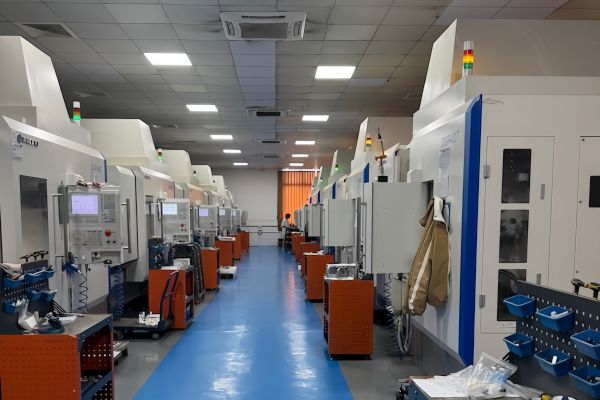
CNC machining workshop photographed for the former Rally Machining website

CNC machining

A CNC machining enquiry is most useful when it describes the finished part, not only a process name. Share the current drawing and model, the specified material, the order quantity and the features that control assembly or performance.

Explore CNC machining →
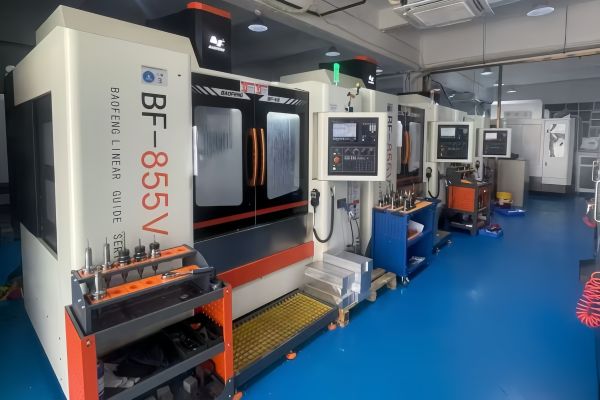
CNC milling machine photographed for the former Rally Machining website

CNC milling

CNC milling is a route to consider for components with planar faces, pockets, profiles, holes and features accessed from different directions. The drawing should make the functional relationships between those features clear.

Explore CNC milling →
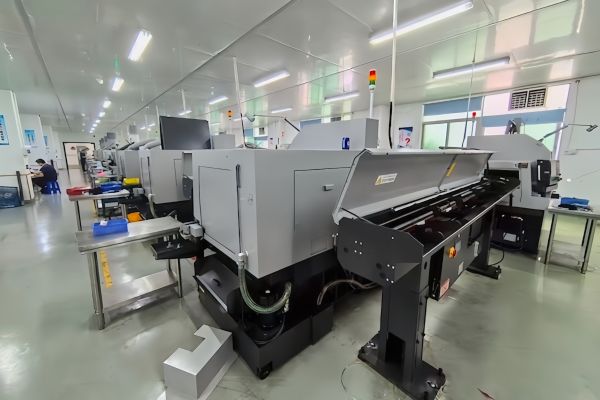
CNC turning center photographed for the former Rally Machining website

CNC turning

Turned components are commonly specified through diameters, shoulders, grooves, threads and the relationships between those features. Add the non-rotational features to the same review so that secondary operations are included.

Explore CNC turning →
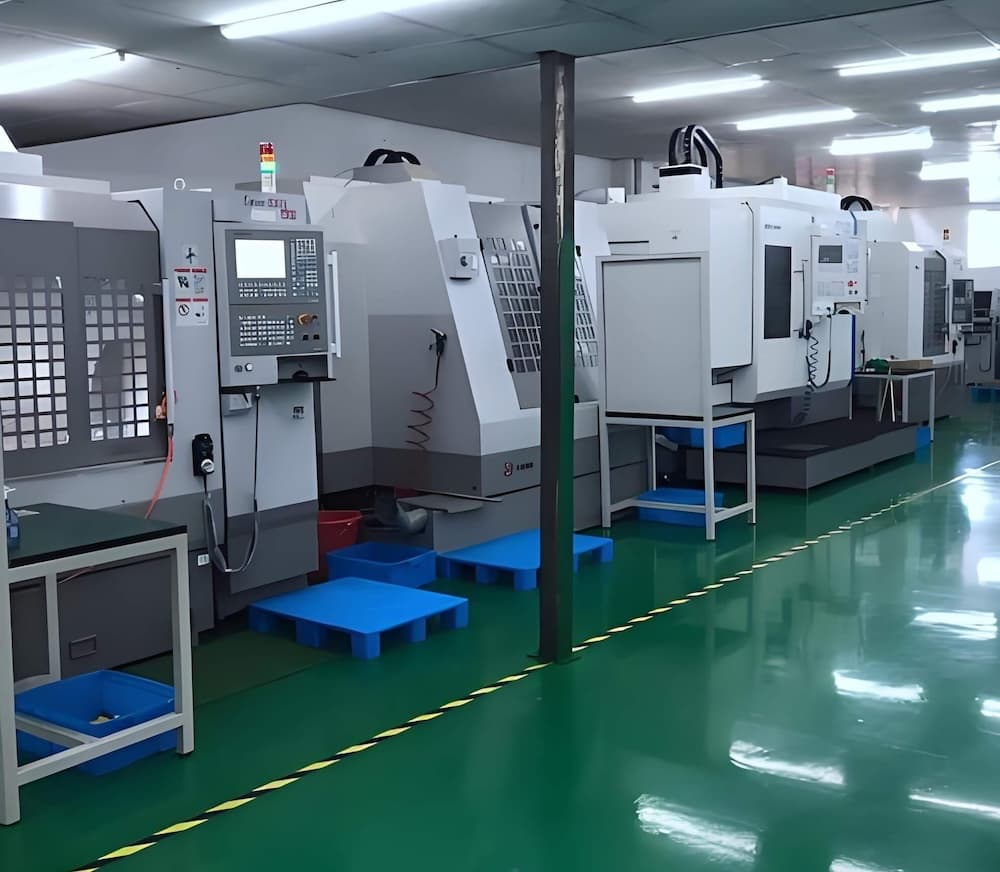
Five-axis CNC workshop photographed for the former Rally Machining website

5-axis CNC machining

Multi-axis machining should be evaluated for a defined access or geometric problem. Share the surfaces and feature relationships that are difficult to manufacture or inspect, together with the complete model and drawing.

Explore 5-axis CNC machining →
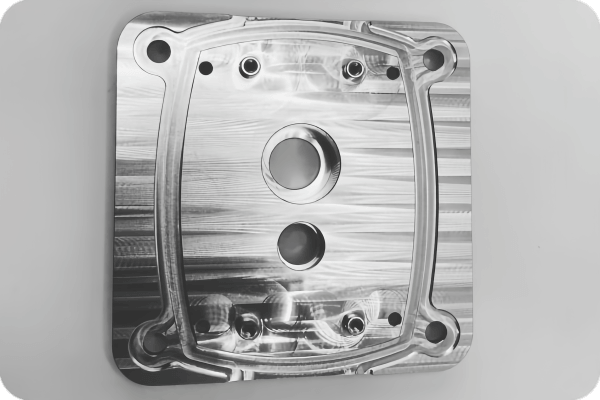
Example machined aluminum housing from the former Rally Machining website

CNC prototyping

A prototype request should explain the decision that the sample will support. A visual mock-up, an assembly check and a functional test can require different materials, finishes and inspection priorities.

Explore CNC prototyping →
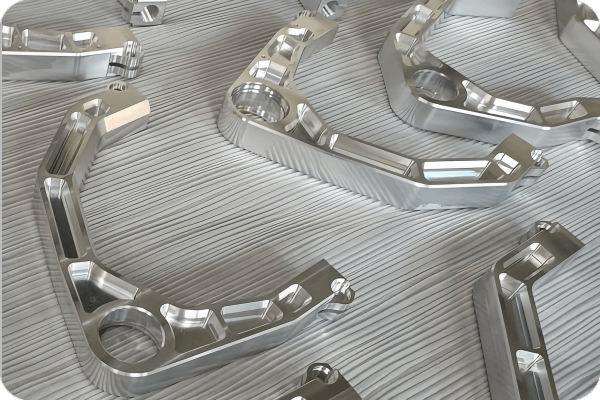
Group of machined aluminum components shown on the former Rally Machining website

Low-volume manufacturing

Small-batch manufacturing connects a defined drawing revision with a repeatable order scope. Explain whether the batch is for testing, a pilot build, spare parts or regular supply, because the documentation and release conditions may differ.

Explore Low-volume manufacturing →
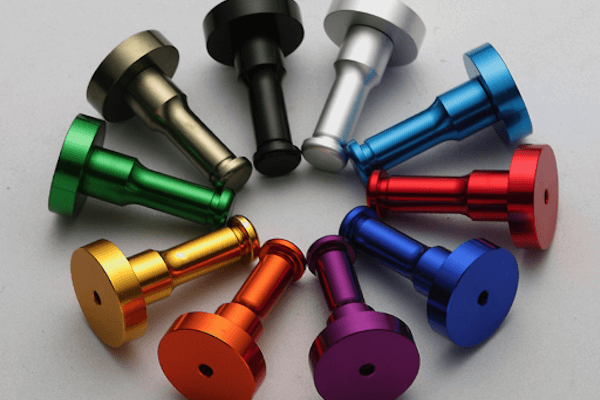
Examples of differently colored anodized metal parts from Rally Precision

Surface finishing

Surface finishing should be specified through the purpose of the surface: appearance, wear, corrosion behaviour, electrical contact or another functional requirement. A finish name alone is often insufficient for quotation and acceptance.

Explore Surface finishing →
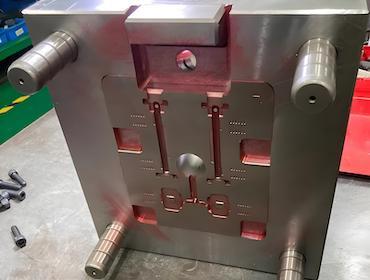
Example casting mold from Rally Precision

Mold and tooling

A useful tooling enquiry starts with the part that the tool must produce. The former Rally sites describe plastic mold design and casting molds. For a new project, identify the production process and agree the actual tooling scope in writing.

Explore Mold and tooling →
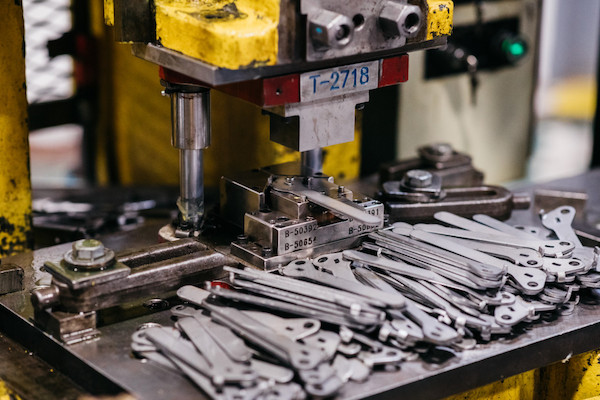
Metal stamping operation shown by Rally Precision

Metal stamping

Metal stamping can be considered for sheet-based components when geometry, volume and tooling economics support it. The former Rally Precision website lists stamping among its metal fabrication work; a new enquiry needs its own material, part and acceptance definition.

Explore Metal stamping →
Choose a route by the work required

Use milling and turning pages for geometry-led enquiries, prototype and small-batch pages for production-stage questions, and finishing for surface requirements. A component may need several of these operations; the combined route belongs in one quotation.

Project planning

Choose the page that matches your decision

Start with the process question, then combine operations in a single RFQ for the finished part.

01

Geometry

Use milling for pockets, faces and multi-sided prismatic features; turning for rotational geometry. A mixed part may require both.

02

Production stage

Use prototyping to frame design validation and low-volume manufacturing to plan recurring small batches, revision control and records.

03

Surface outcome

Use finishing guidance to describe treatment, appearance, masked areas and final inspection rather than treating the finish as an afterthought.

Project enquiry

Discuss your manufacturing project

Describe your requirements. Attach a drawing if available.

Send a project enquiry or request a quote

Describe your project or quality question below. Drawings are optional; if you have them, accepted formats are STEP, STP, IGES, DXF, DWG, PDF and ZIP. Your request is received only after a confirmation reference appears. For questions, email sales@rallivex.com or contact us on WhatsApp: +86 137 3607 8178.

You can submit without a drawing. If attaching files: STEP, STP, IGES, DXF, DWG, PDF or ZIP; up to 10 files, 20 MB each and 25 MB total. Files are sent only when you submit.