01 / PLANAR & PRISMATIC
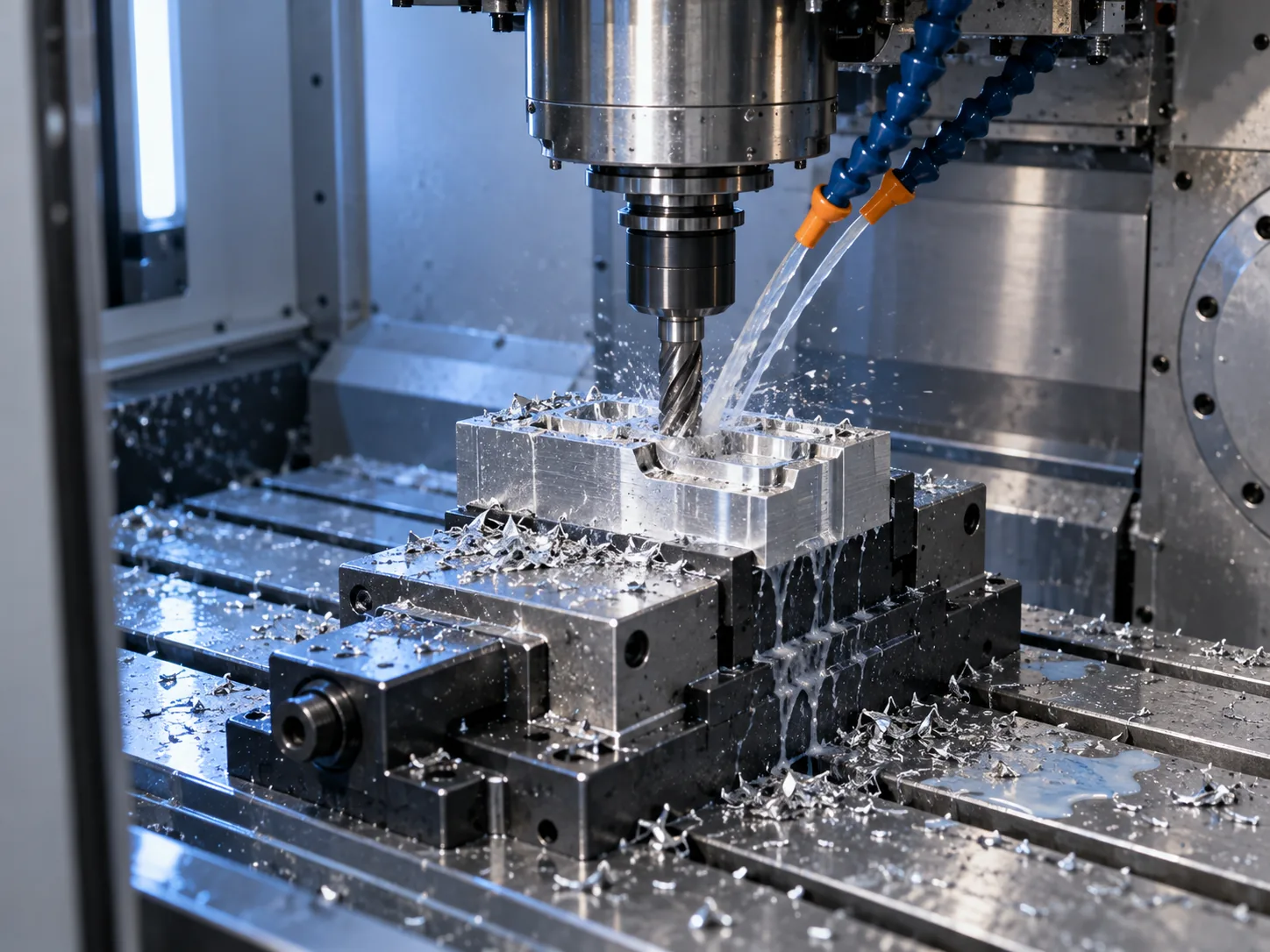
CNC milling
For pockets, faces, slots and hole patterns in housings, plates and structural components. Define datum surfaces and functional relationships on the drawing.
Explore milling
From suspension components to aluminum housings and thermal parts, RALLIVEX helps engineers turn a drawing into a clear machining request.
Custom CNC machining starts with the geometry and the job the part must perform. A housing may need mating faces and threaded holes; a shaft may need controlled diameters; a suspension component may need critical interfaces identified on the drawing. We review those details alongside material, quantity, finish and inspection needs before confirming a route.
How we approach CNC machiningDifferent geometries call for different machining plans. These are starting points for discussion, not fixed capability limits.
For pockets, faces, slots and hole patterns in housings, plates and structural components. Define datum surfaces and functional relationships on the drawing.
Explore milling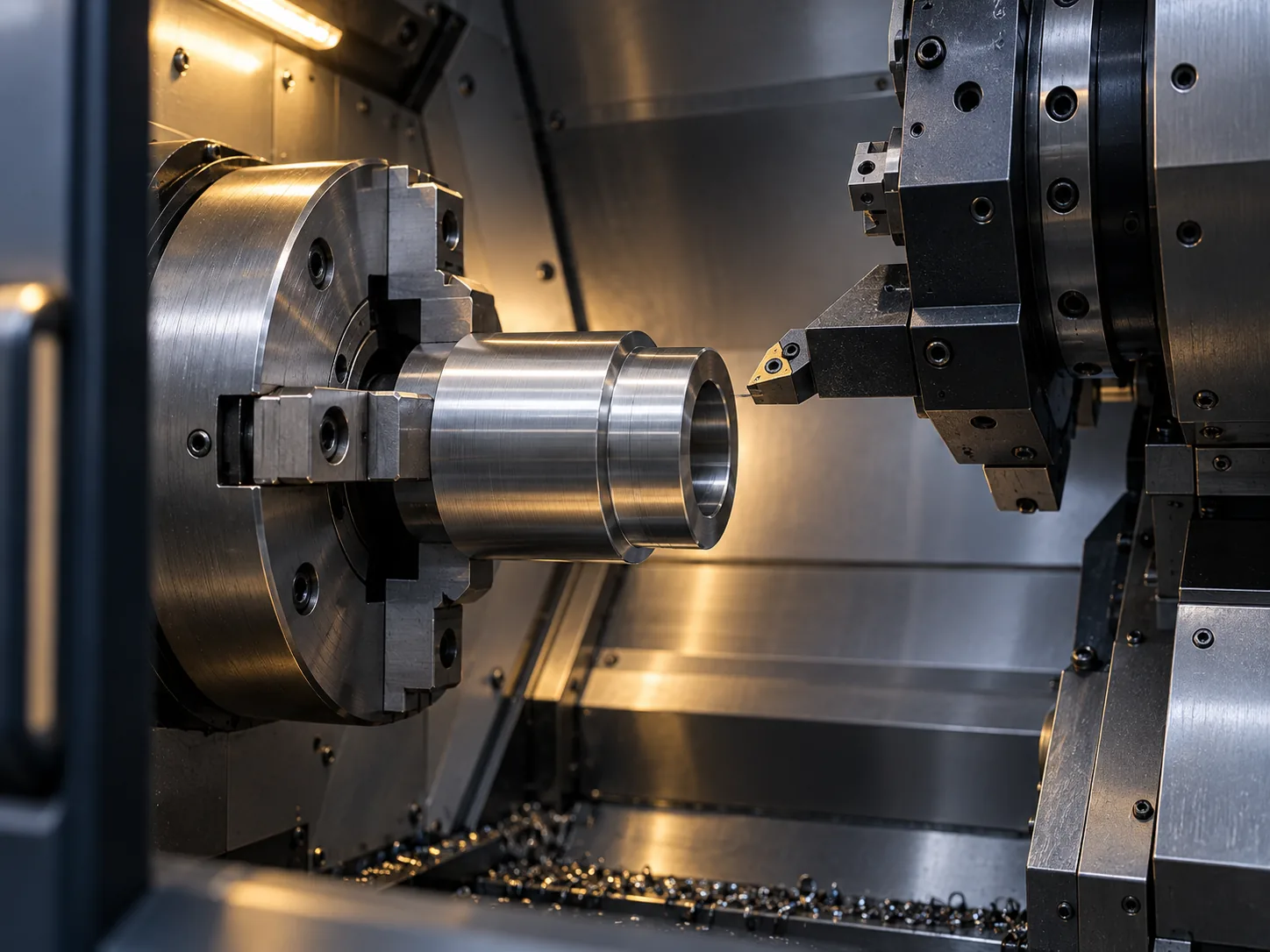
For shafts, bushings and other cylindrical parts. Call out the diameters, threads, grooves and secondary features that affect fit or assembly.
Explore turning
For parts with features accessed from multiple directions. Share the complete CAD model so the team can review setups and critical surfaces.
Explore 5-axis workThese product photographs come from the former Rally Machining website. They show part types, not a promise of a particular tolerance, material grade or production volume.
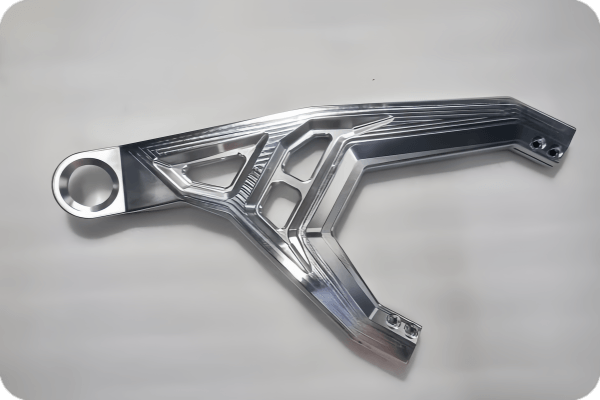
Machined arm examples highlight how mounting interfaces and geometry shape an application-led review.
Explore suspension components →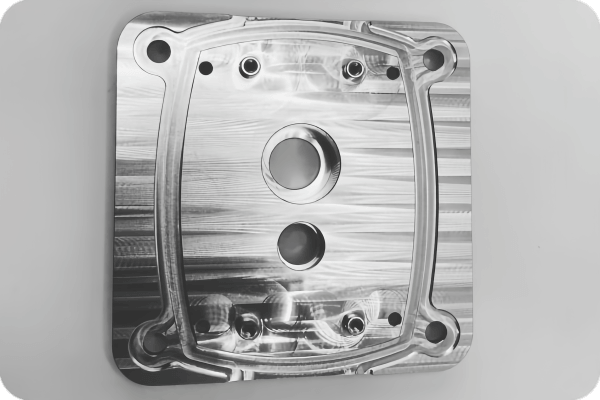
For housings, the discussion often starts with mating surfaces, fastening details and access for assembly.
Explore housings and covers →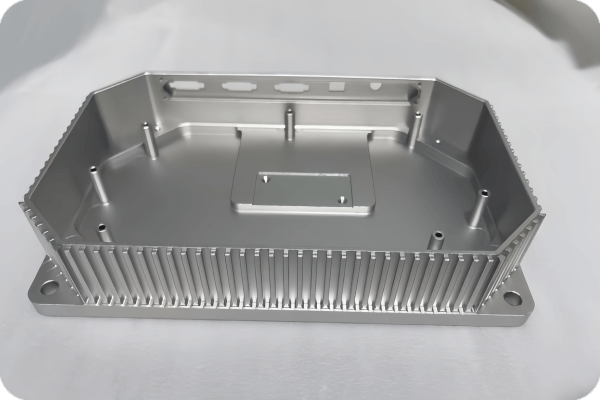
Thermal part reviews connect the mechanical drawing to contact surfaces, fins and the intended finish.
Explore heat sink enclosures →Machining method and material affect each other. Tell us whether the part needs strength, corrosion resistance, conductivity, low weight or a particular surface finish. The exact grade and condition should be checked against the drawing and availability during quotation.
Explore the material guide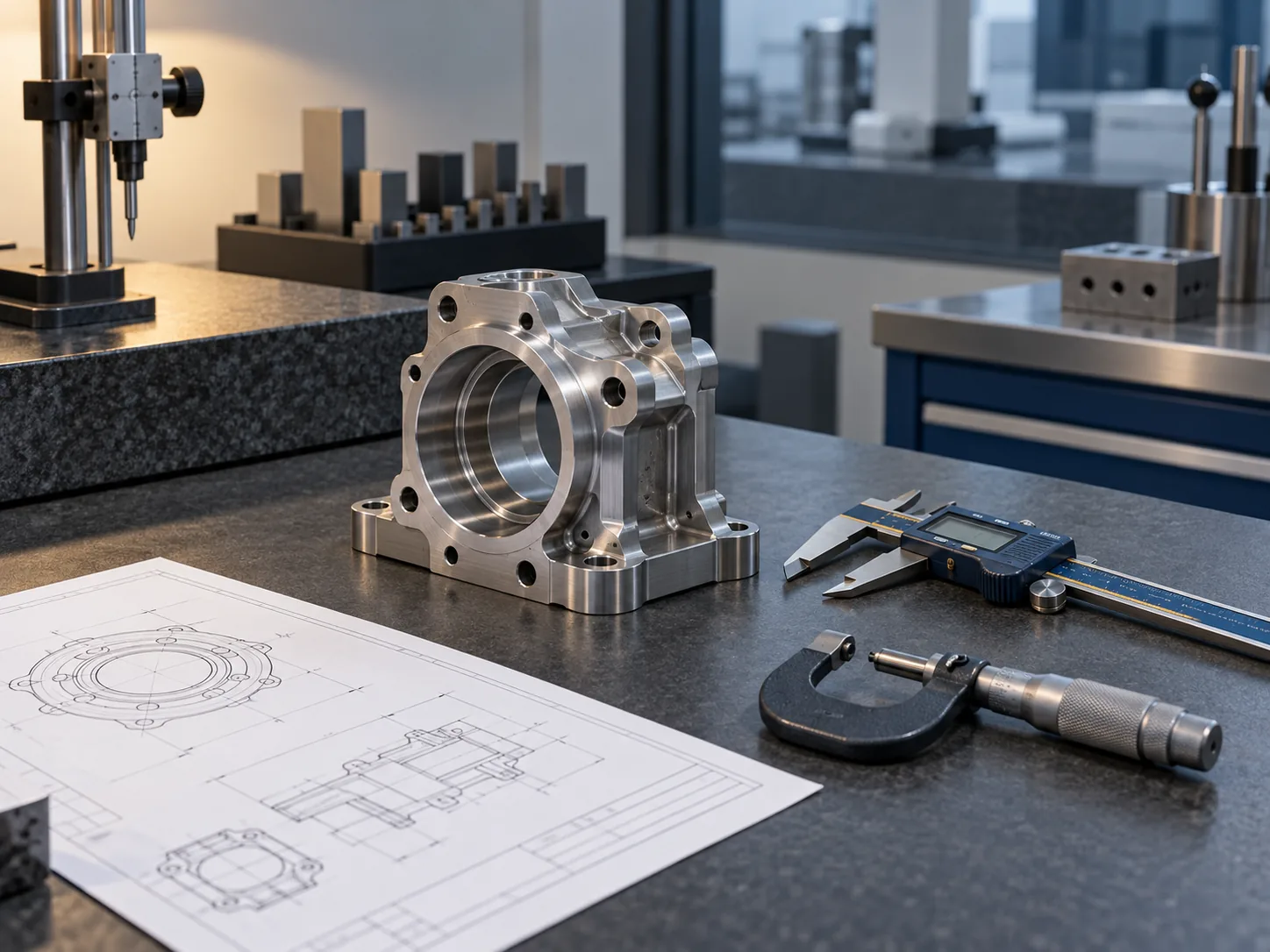
A useful quotation identifies what must be checked, how it relates to the drawing and what records the buyer needs. Inspection scope is agreed for each project.
A clear enquiry helps distinguish prototype needs from repeat production and keeps critical requirements in the first review. Attach drawings when available.
Tell us about the part or question. Attach STEP, STP, IGES, DXF, DWG, PDF or ZIP files if available.
Include the preferred grade and condition, or describe the property you need.
Share prototype and expected production quantities, finish and target timing.
Flag critical dimensions, inspection needs and any assembly constraints.
Project-specific feasibility, documentation and lead time are confirmed during quotation.
Yes. Describe the part, application or quality question and provide material, quantity, finish and critical requirements if known. Attach a drawing later when it is available and needed for a firm quote.
Yes. Explain the intended function and the properties that matter. A grade can then be discussed during the project review; availability must be confirmed.
No. They are examples from the former Rally Machining website. Each new part is reviewed against its own drawing and project requirements.
Enquiry files are retained for 12 months and are not shared with external manufacturers. See our privacy information for details.