
Decide what the hole must do
Reaming is a finishing operation on an existing hole. Consider it when the setup can already produce a suitably located pilot hole and the remaining task is to bring the bore to the required size and finish. If the bore axis must move to meet a datum requirement, review a process that establishes that axis before relying on a finishing pass.
Separate diameter from position
A dowel bore may accept a size gauge and still fail to align with its mating part. On the drawing, identify both the diameter limits and any separate geometric requirement that governs the axis. When a pair of bores locates an assembly, review their relationship in the actual assembly datum frame. Sandvik’s reaming guidance cautions against expecting the operation to correct pilot-hole position or straightness.
Check the pilot hole and tool access
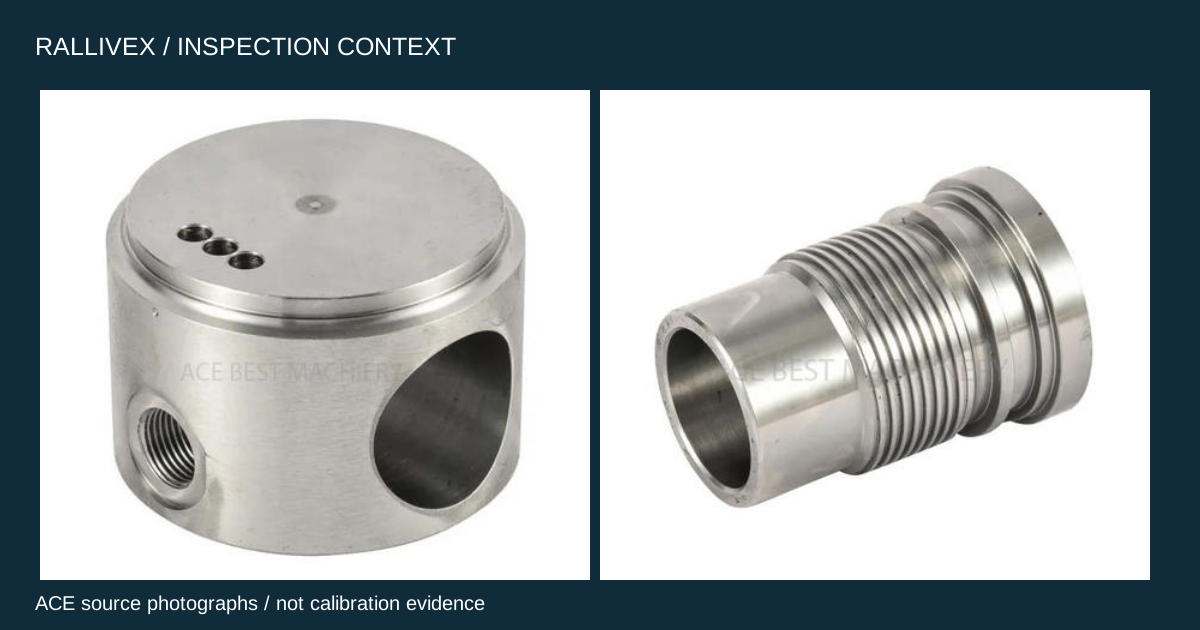
Confirm whether the hole is blind or through, how much of its depth must meet the finished requirement and how the tool enters and exits. For a blind feature, account for the tool lead and chips at the bottom. Specify the usable finished depth without assuming that a dimension to the drill tip represents full-diameter bore depth. Agree on stock to leave using tool-specific guidance and the actual material and pilot condition.
For an interrupted bore, flag cross-holes or reliefs along the cutting path. Ask whether the intended tool and setup can maintain support across the interruption. Confirm whether the inspection plan samples the bore beyond the entry, especially when its fit matters along the full engagement length.
Walk through a paired-dowel example
Imagine a cover located by two dowels. Both bores measure within diameter limits, but one lies too far from the first. Increasing the diameter may make assembly possible while changing the intended locating fit. Instead, compare the actual pattern against the specified datums, identify where the position error entered the process and confirm whether the intended machining route can establish the correct axes. Check the first article against both size and location before releasing the batch.

Specify evidence for the quote
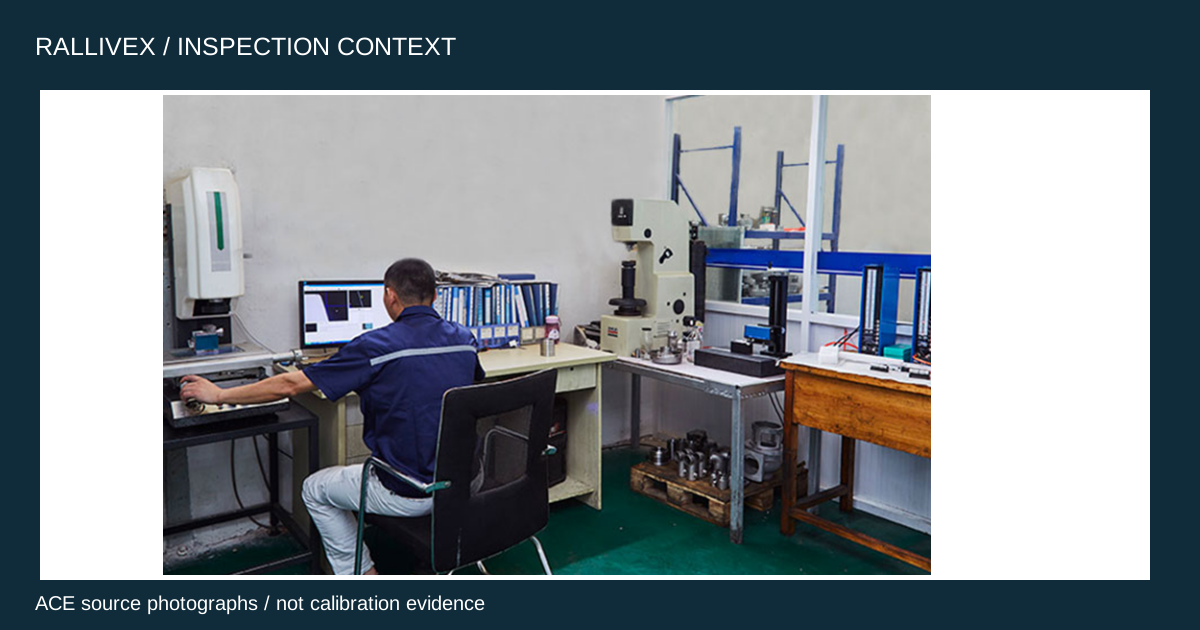
Send the current drawing, material, hole depth, required fit and any final-state finish requirements. Point out which bores locate the assembly and identify the mating pin or mating drawing if available. Ask which measurements will establish diameter, position and usable depth. For critical bores, record inspection state and agree on first-piece evidence before batch production.
Request a CNC quote with the drawing or a brief describing the bore and its role in the assembly.
Frequently asked questions
Can reaming fix an off-location pilot hole?
Review a process that establishes the required axis. A finishing reamer should not be relied on to relocate the pilot hole.